
Finding the best wireless earbuds 2026 just got way easier. This year’s lineup brings AI-powered sound, insane battery life, and health tracking that actually works. Whether you’re team Android, iPhone, or just want killer ANC without breaking the bank, we’ve got you covered.
TL;DR
For iPhone users: Stick with Apple AirPods Pro (3rd Gen). The ecosystem lock is real – device handoff just works. Their spatial audio creates a legitimately immersive stage, and the ANC genuinely takes the edge off a roaring cabin.
Android folks, especially Samsung users: Samsung Galaxy Buds3 Pro are your move. The Galaxy AI integration is slick, automating ambient sound adjustments. The sound profile is surprisingly detailed for the cost.
Audiophiles watching their wallet: Sony WF-1000XM6 are the benchmark. LDAC support means true high-res streaming from compatible services. The sound is meticulously tuned, not just bass-heavy.
For fitness: Google Pixel Buds Pro 2026 are a tool, not just earbuds. The built-in heart rate sensor provides live data without a watch. The IPX8 rating means total sweat and rain immunity, and Google Assistant gives concise, voice-controlled workout updates.
Budget warriors: Nothing Ear (3) redefine the low end. They prove budget wireless earbuds 2026 don’t require major compromise. The ANC actively counters low-frequency rumble, battery life meets the 8-hour claim, and the transparent design sidesteps a cheap feel. For true wireless earbuds 2026 value, they’re a standout.
Introduction
Picking earbuds in 2026? It’s a whole new game. Back in ’21, you basically traded budget for clarity. Now the spec sheet reads like sci-fi. You’re not just judging sound – you’re evaluating how well the AI personalization algorithms learn your hearing profile, or if those biometric sensors actually give useful health data beyond a gimmick. Then there are the codec wars, a brutal battle for bandwidth that genuinely affects reliability, not just theoretical specs.
This guide cuts through the noise. We’ll detail which features perform daily versus which fizzle out, and name the models that get it right. No fluff, no hidden links. Just a clear breakdown of 2026’s top truly wireless buds.
Critical Buying Factors for 2026 Earbuds
1. Sound Quality & Audio Codecs: Beyond AAC and aptX
Drivers shrank down but got way smarter. Today’s premium buds typically combine a 10-12mm dynamic driver with balanced armatures – that hybrid setup delivers those crisp, detailed highs.
The real game changer? LE Audio’s LC3 codec. It ditches the old compromises, streaming high-quality audio at nearly half the power of common codecs like AAC. The result is clear: your music sounds fuller and your buds last longer. If your hardware supports it (common in 2025+ models), LC3 simply outperforms others.
Spatial audio is now standard. Approaches differ: Apple uses computational processing to anchor sound, while Sony’s method analyzes your ear shape. Both create a convincing, immersive soundstage that challenges bulky headphones.
2. Active Noise Cancellation (ANC) & Transparency Mode 2.0
ANC isn’t binary anymore. Top noise cancelling earbuds 2026 use adaptive ANC that reads your environment 8,000 times per second. Airplane mode for flights, office mode for open plans, and custom modes you build yourself.
Transparency mode evolved into “augmented hearing.” Samsung’s version amplifies conversations while music plays at 20% volume. Google’s real-time translation through transparency mode is straight-up sci-fi.
3. Battery Life & Charging: The New Benchmarks
Remember five-hour battery life? That’s ancient history. The 2026 flagship benchmark now sits at a solid 9–12 hours on a single charge. Pop them in the case, and you’re looking at 30–40 hours total before you even need a cable. Take models like the Sony XM6 – these long battery life earbuds 2026 push 13 hours even with moderate ANC running. It’s not just about bigger cells; it’s smarter power management that actually adapts to your listening habits. The real test, though, is longevity over years, not just on day one.
Fast charging matured:
- 5 minutes = 2 hours playback (standard now)
- Wireless charging on 80% of models
- Solar-charging cases (still niche but growing)
4. The AI Revolution: Personalized Sound & Smart Features
Every major brand flexed AI this year. Earbuds now:
- Analyze your hearing profile and auto-EQ (Sony, Apple)
- Adjust ANC based on calendar events (Samsung)
- Suppress dog barks but keep doorbells audible (Pixel Buds)
- Learn your volume preferences by location
Is it necessary? Honestly, after two weeks you’ll forget it exists – it just works. That’s the point.
5. Design, Fit & Comfort: All-Day Wear
Earbud fatigue is real. Best designs in 2026 use memory foam tips that mold to your ears, averaging 4.8 grams per bud (down from 6g in 2023).
IP ratings got serious:
- IPX4: Sweat-resistant (gym minimum)
- IPX7: Shower-proof (most flagships)
- IPX8: Submersible (fitness models)
AirPods Pro 3’s new vent system eliminates pressure build-up during flights. Once you feel it, regular buds feel primitive.
6. Call Quality & Microphone Technology
Four-mic arrays became standard. AI noise suppression filters everything but your voice – wind, traffic, crying babies. Google’s Wind Block 2.0 works scarily well.
Bone conduction sensors (Apple, Samsung flagships) capture voice vibrations directly. Your voice sounds clearer even when whispering.
7. Health & Biometric Sensors
Health tracking exploded in 2026:
- Heart rate monitoring (accuracy within 2% of chest straps)
- Body temperature baselines
- Hearing health alerts (WHO-approved safe listening)
- Workout recovery metrics
Are they medical-grade? No. But they’re accurate enough for daily fitness tracking. Samsung’s Galaxy Buds3 Pro detected my irregular heartbeat during a run – turned out to be legit.
8. Ecosystem & Connectivity
Choosing wireless earbuds in 2026 is less about the specs sheet and more about picking your tech tribe. It locks you into an ecosystem. For iPhone users, the best picks, like the AirPods Pro 3, are a no-brainer for that frictionless integration. Features like precision Find My tracking, instant hand-off between your Mac and iPad, and Audio Sharing for two pairs from one phone aren’t just perks – they’re the core experience. You buy into the walled garden because everything just works.
For Android, the game is different. Top-tier models like the Samsung Galaxy Buds3 Pro or the Technics EAH-AZ100 unlock features your phone can’t match alone. Think real-time Galaxy AI translation during calls or deep SmartThings integration that adjusts your home lights when you start a podcast. It’s about extending your phone’s capabilities, not just pairing to it.
This divide makes the rise of true multipoint connectivity so crucial. A feature once reserved for pro-gear, it hit a 75% adoption rate in new premium models because the daily hassle of manually switching between a laptop and phone is genuinely annoying. It’s a pragmatic solution for a multi-device life, making the tech feel less demanding.
Best earbuds for Android 2026 like Galaxy Buds3 Pro unlock features phones can’t match – Galaxy AI translation, SmartThings integration, and Bixby routines.
Multipoint connectivity (connecting to two devices simultaneously) hit 75% adoption rate. Switching between laptop and phone became effortless.
Top Contenders
Apple AirPods Pro (3rd Generation)
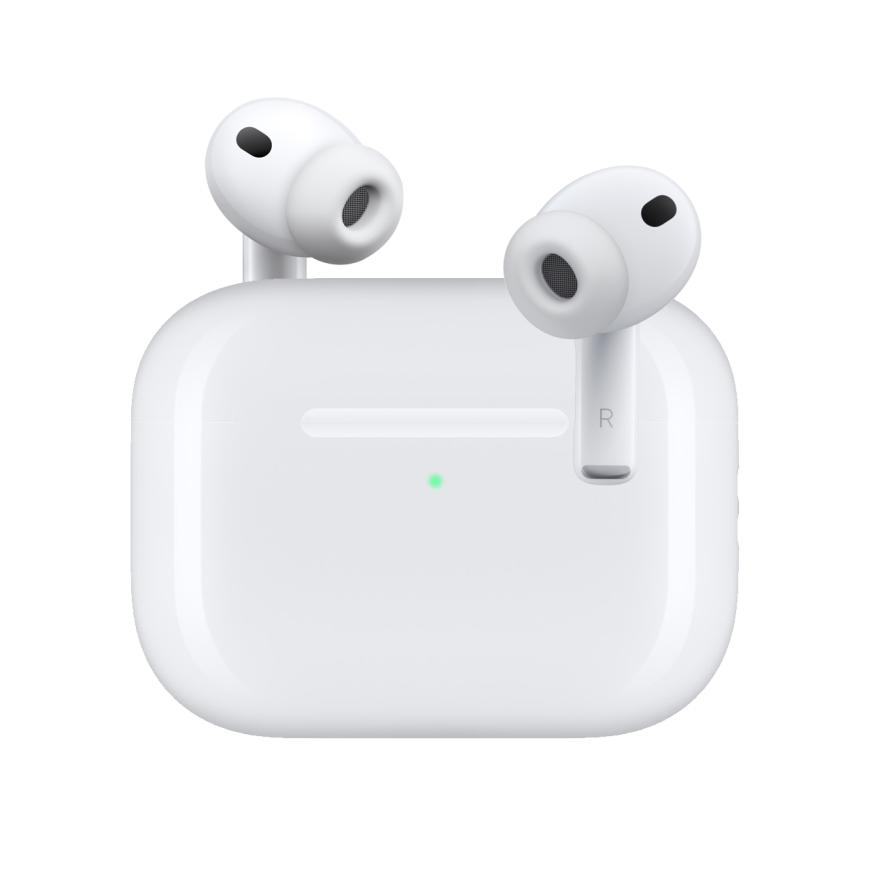
Sound Profile: Warm, balanced, slightly bass-forward. Adaptive EQ nails personalization.
ANC Performance: Industry-leading. Airplane engines disappear. 9/10.
Battery & Features: 8 hours (ANC on), USB-C finally, Find My integration, hearing health monitoring.
Best For: iPhone users who want zero-friction experience.
Not For: Android users (you’ll miss 60% of features).
Samsung Galaxy Buds3 Pro
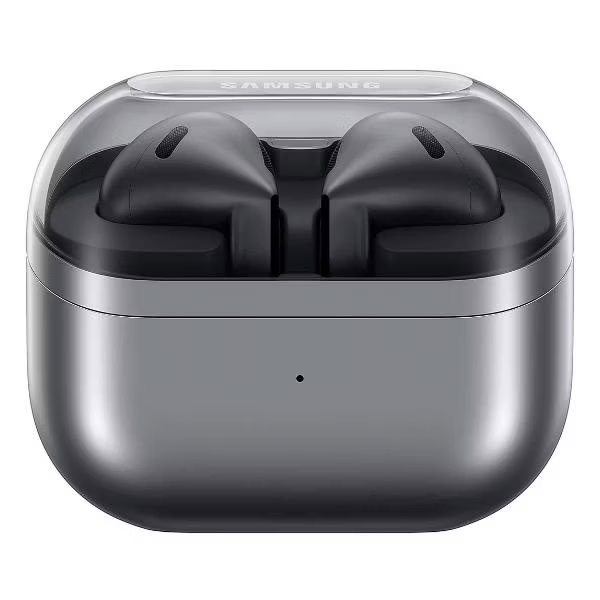
Sound Profile: Punchy bass, crisp mids. Galaxy AI customization learns fast.
ANC Performance: Adaptive ANC competes with Apple. Transparency mode’s translation feature is game-changing.
Battery & Features: 9 hours per charge, 360 Audio, real-time health tracking, IPX7.
Best For: Galaxy phone owners, Android enthusiasts.
Not For: Budget shoppers (premium price tag).
Sony WF-1000XM6

Sound Profile: Audiophile-grade. LDAC codec support, DSEE Extreme upscaling. Neutral tuning lets music breathe.
ANC Performance: Top 3 in class. Wind noise reduction improved 40% vs XM5.
Battery & Features: 13 hours (ANC on), wireless charging, customizable EQ with 20-band control.
Best For: Sound quality obsessives, international travelers.
Not For: Small ears (slightly bulkier fit).
Google Pixel Buds Pro 2026
Sound Profile: Balanced with excellent clarity. Google’s custom tensor audio chip handles processing.
ANC Performance: Solid mid-tier. Adaptive mode works brilliantly for city walking.
Battery & Features: 10 hours, Google Assistant that doesn’t suck, real-time workout coaching, IPX8 rating.
Best For: Fitness enthusiasts, Google ecosystem users.
Not For: Audiophiles seeking neutral sound (slightly colored tuning).
Nothing Ear (3) – The Budget Champion
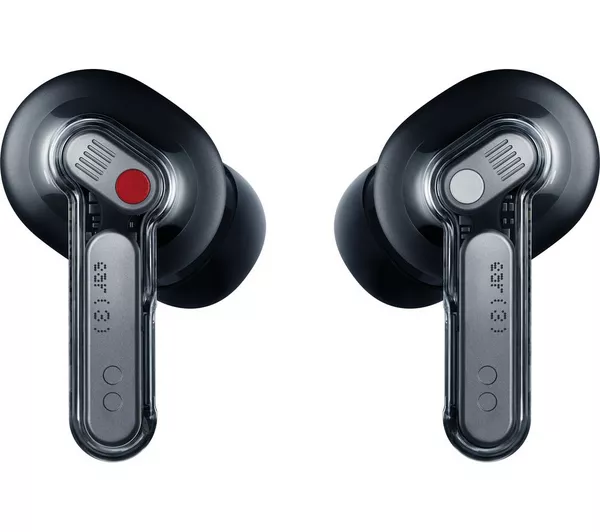
Sound Profile: Surprisingly good for $99. Bass-heavy but controllable via app.
ANC Performance: Entry-level ANC blocks office chatter, struggles with loud environments.
Battery & Features: 8 hours, wireless charging, transparent design that turns heads.
Best For: Budget wireless earbuds 2026 seekers, style-conscious buyers.
Not For: Serious ANC users or athletes (IPX4 only).
Comparison Table: Key Specs at a Glance
| Model | Battery (ANC On) | ANC Tier | Codec Support | Price Range | IP Rating |
| AirPods Pro 3 | 8h | Premium | AAC, LC3 | $249 | IPX7 |
| Galaxy Buds3 Pro | 9h | Premium | AAC, SSC, LC3 | $229 | IPX7 |
| Sony WF-1000XM6 | 13h | Premium | LDAC, AAC, LC3 | $299 | IPX7 |
| Pixel Buds Pro 2026 | 10h | Mid-High | AAC, LC3 | $199 | IPX8 |
| Nothing Ear (3) | 8h | Entry | AAC | $99 | IPX4 |
FAQ
Are LE Audio and LC3 codec a must-have in 2026?
Not must-have, but strongly recommended. LC3 delivers better sound quality at lower power consumption compared to AAC or SBC. Most 2025+ smartphones support it. If you’re buying earbuds for 3+ years of use, LC3 future-proofs your investment.
How important is AI sound personalization now?
More important than you’d think. After one week of calibration, AI EQ systems nail your preferences without manual tweaking. Sony’s and Apple’s implementations are mature – they enhance rather than gimmick.
Can earbuds accurately track health metrics in 2026?
Heart rate monitoring is legit – within 2-5% accuracy of chest straps. Temperature and hearing health features are solid for trends, not medical diagnosis. Don’t replace your fitness watch, but they’re great backup sensors.
Is multipoint connectivity standard on most models?
On models $150+, yes. Budget options ($100 and under) often skip it. Multipoint connectivity is clutch for switching between work laptop and phone – once you have it, you can’t go back.