


TL;DR
iPhone 17 Pro – Your safe bet. Works flawlessly every single time, crushes video content creation, and plays nice with everything else in your digital life.
Samsung S25 Ultra – Zoom monster. Two telephoto lenses mean you’re getting crystal-clear shots from nosebleed sections or safari distances.
Google Pixel 10 Pro XL – AI sorcery. Point, shoot, let Google’s brain do the heavy lifting. Your grandmother could take award-winning photos with this thing.
Xiaomi 15 Ultra – Sensor royalty. That massive Xiaomi 15 Ultra 1-inch sensor brings DSLR vibes to a phone body. For gear nerds who know their f-stops.
Honor Magic8 Pro – Dark horse champion. Shoots in near-total darkness and lasts two full days between charges. Seriously underrated.
Introduction
The smartphone camera game in 2026? Absolutely insane. We’re talking 200MP sensors, AI that basically does your job for you, and zoom capabilities that would make wildlife photographers jealous. Gone are the days when “good enough” meant slightly less blurry vacation pics.
This year’s flagships aren’t just incremental updates – they’re legitimate photography tools that fit in your pocket. Some pack massive 1-inch sensors that rival dedicated cameras. Others lean hard into computational magic that makes every shot Instagram-ready without touching an edit button
Apple iPhone 17 Pro / Pro Max
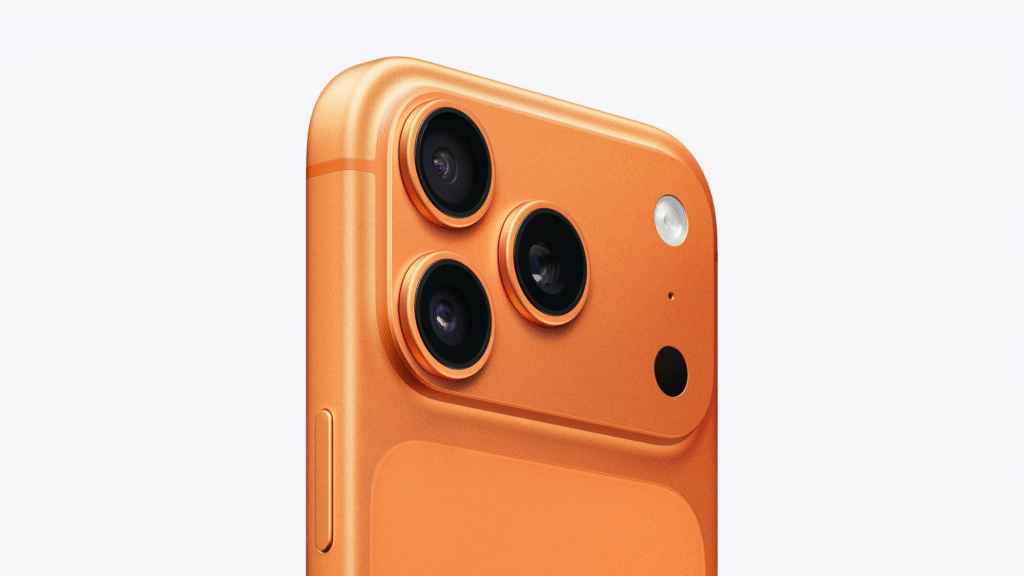
Apple didn’t reinvent its camera system this year – they perfected it. The iPhone 17 Pro camera delivers consistently gorgeous results whether you’re shooting birthday parties or short films. No fuss, no firmware updates breaking features, just works.
Key Camera Specifications & Highlights
- Triple 48MP rear setup: Main (Wide), Ultrawide, 4x Telephoto
- 18MP “Center Stage” front camera: Finally ditched the old sensor
- 4K 120fps video: Butter-smooth high frame rate capture
- ProRes and Log profiles: Professional video workflows, actually usable
- Photonic Engine 2.0: Apple’s computational magic on steroids
Video capabilities remain unmatched. Content creators shooting for TikTok, YouTube, or client work get cinema-grade results straight from the device. Color science feels natural – not oversaturated like some competitors – and the ecosystem integration means seamless editing on iPad or Mac.
Who Should You Buy the iPhone 17 Pro?
- Content creators prioritizing video quality
- Anyone deep in Apple ecosystem (AirDrop, Continuity, etc.)
- Users wanting zero-hassle reliability
- Social media managers juggling multiple platforms
- People who actually use their front camera professionally
Samsung Galaxy S25 Ultra
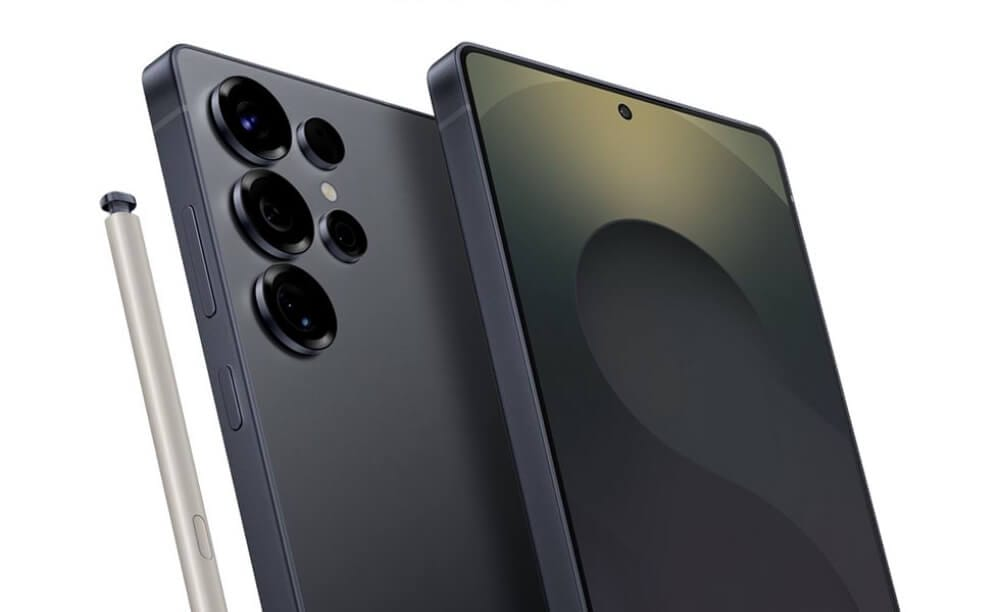
Samsung brought receipts. The Samsung S25 Ultra zoom system embarrasses most point-and-shoot cameras with its dual telephoto arrangement. Concert in the back row? Wildlife at a distance? This phone laughs at your zoom complaints.
Key Camera Specifications & Highlights
- 200MP main sensor: Pixel-binned to 12.5MP for everyday use
- 50MP Ultrawide: Actually usable, not an afterthought
- 10MP 3x Telephoto + 50MP 5x Periscope: Stacked zoom versatility
- Color Point portrait mode: Keeps subject in color, background monochrome
- Expert RAW app: Manual controls that don’t feel like a toy
That dual telephoto setup hits different. 3x for portraits, 5x for distant subjects, and digital zoom to 100x that’s… well, let’s say better than expected. The 200MP main captures insane detail when you need it, though most shots default to 50MP or 12MP modes for manageable file sizes.
Who Should You Buy the Samsung S25 Ultra?
- Travel photographers needing zoom flexibility
- Sports and wildlife shooters
- Android power users who want every bell and whistle
- S-Pen fans (yes, it’s still here and still useful)
- Anyone prioritizing screen quality alongside camera
Google Pixel 10 Pro / Pro XL
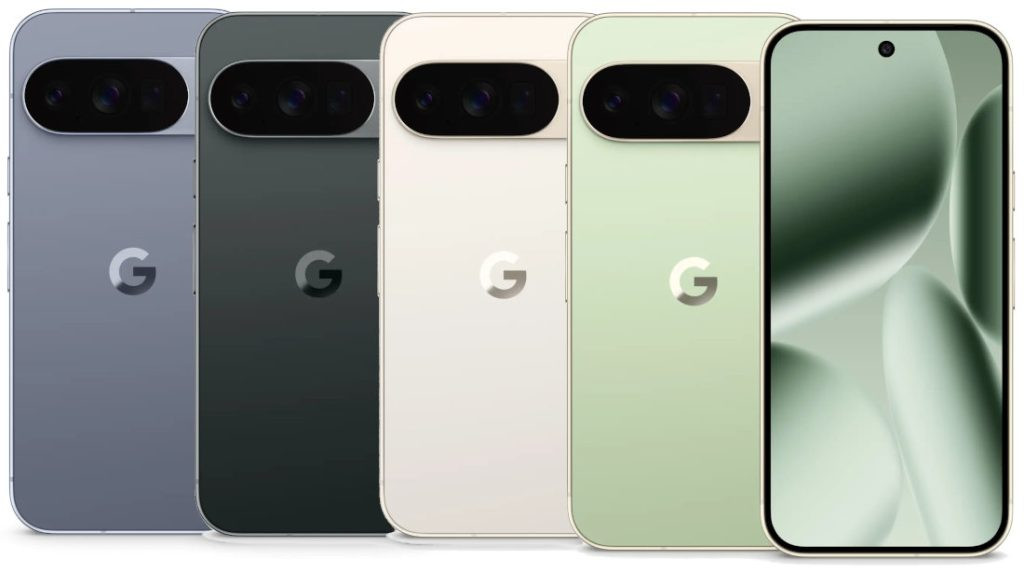
Google’s Google Pixel 10 Pro XL doesn’t have the fanciest specs sheet. Doesn’t need them. The computational photography here borders on witchcraft – shots that should be trash come out stunning because Google’s AI knows exactly what you meant to capture.
Key Camera Specifications & Highlights
- Triple camera array: 50MP Wide, 48MP Ultrawide, 48MP 5x Telephoto
- Super Actua display: 6.8″ brightness beast for outdoor shooting
- Best Take: Combines multiple shots so everyone’s smiling
- Magic Editor: AI photo manipulation that’s surprisingly not creepy
- Night Sight+: Astrophotography mode that captures actual stars
The magic happens in processing. Pixel’s AI stacks exposures, removes noise, sharpens details, and fixes lighting in ways that feel impossible. Night shots from this thing? Chef’s kiss. You’re getting DSLR-quality low-light performance without carrying actual camera gear.
Who Should You Buy the Google Pixel 10 Pro?
- Photography enthusiasts who love AI editing tools
- Point-and-shoot simplicity seekers who want pro results
- Clean Android experience fans (no bloatware!)
- Anyone shooting lots of night photography
- Users wanting Google’s ecosystem integration
Xiaomi 15 Ultra
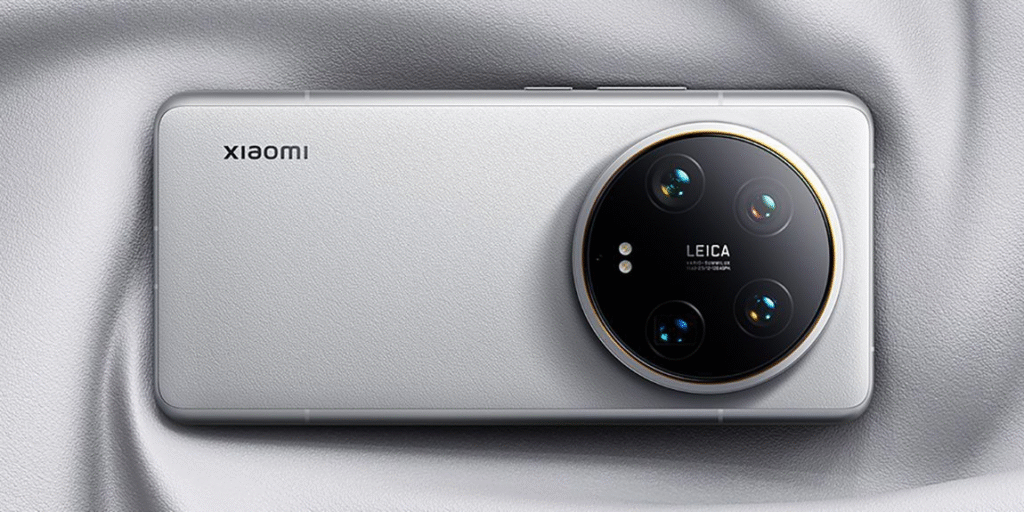
Xiaomi said “screw it” and stuffed a legitimate camera sensor into a phone body. The Xiaomi 15 Ultra 1-inch sensor is the headline grabber, but the whole quad-camera setup screams “built for photo nerds.”
Key Camera Specifications & Highlights
- 1-inch main sensor: Same size as premium compact cameras
- Variable aperture: f/1.4 to f/4.0 mechanical adjustment
- Quad cameras: Main, Ultrawide, 3.2x, 5x Telephoto (all Leica-tuned)
- Floating telephoto element: Natural bokeh effect on portraits
- Photography Kit accessory: Grip with shutter button and dials available
This is for photographers who actually understand what f-stops do. Manual controls feel professional, not tacked-on. That 1-inch sensor gulps light in low conditions and creates shallow depth-of-field that makes subjects pop naturally. No fake blur algorithms needed.
Leica partnership brings two color profiles: Authentic (natural) and Vibrant (punchy). Both actually look distinct, unlike most brand collabs.
Who Should You Buy the Xiaomi 15 Ultra?
- Experienced photographers comfortable with manual settings
- Users prioritizing hardware muscle over computational tricks
- Markets where Xiaomi support is strong (Asia, Europe)
- Anyone wanting a top smartphone camera that shoots RAW like it means business
- Photography enthusiasts who’ll actually use that optional grip kit
Honor Magic8 Pro
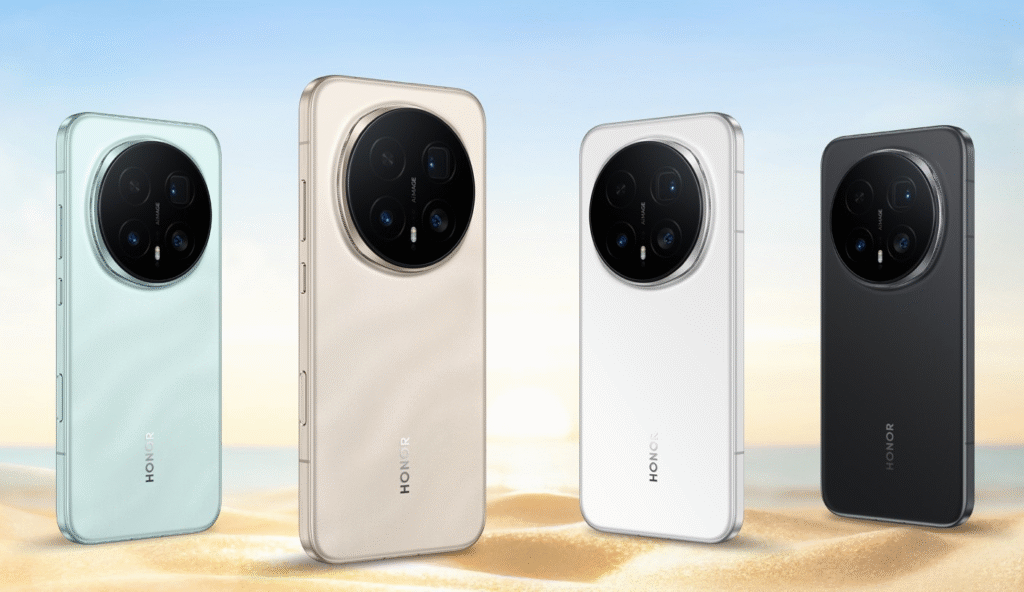
Honor’s been flying under radar in Western markets, but the Honor Magic8 Pro night mode capabilities deserve serious attention. Plus that battery? You’ll forget what charging anxiety feels like.
Key Camera Specifications & Highlights
- 50MP main: Sony sensor with OIS
- 200MP 3.7x Telephoto: Yes, 200MP on the telephoto!
- 50MP Ultrawide: f/2.0 aperture for better low-light
- Super bright f/2.6 telephoto aperture: Rare for zoom lenses
- 6,270mAh+ battery: Practically supernatural endurance
That telephoto sensor deserves recognition. At 200MP with f/2.6 aperture, it handles low-light zoom scenarios that destroy competitors. Concert lighting, city nights, evening events – situations where other phones fall apart.
Battery life means you’re shooting all day and into the next without panic. Two-day stamina is legitimate with moderate use.
Who You Should Buy the Honor Magic8 Pro?
- Nightlife and concert photographers
- Travelers needing all-day (plus) battery reliability
- Users wanting flagship camera without Apple/Samsung price premium
- Anyone tired of their current phone dying by dinner
- People shooting in challenging lighting conditions regularly
Camera Comparison Table
| Phone | Main Sensor | Telephoto | Battery | Best For |
| iPhone 17 Pro | 48MP | 48MP 4x | 4,422mAh | Video & reliability |
| Samsung S25 Ultra | 200MP | Dual (10MP 3x + 50MP 5x) | 5,000mAh | Zoom range |
| Google Pixel 10 Pro XL | 50MP | 48MP 5x | 5,050mAh | AI processing |
| Xiaomi 15 Ultra | 1-inch sensor | Quad array | 5,300mAh | Manual control |
| Honor Magic8 Pro | 50MP | 200MP 3.7x | 6,270mAh | Night & battery |
FAQ
Is a 200MP camera better than a 48MP camera?
Not automatically. Megapixels measure resolution, not quality. The Samsung S25 Ultra’s 200MP sensor bins down to 50MP or 12.5MP for everyday shots, combining pixels for better light gathering. Meanwhile, the iPhone 17 Pro camera at 48MP often produces superior images due to larger individual pixel size, better processing, and optimized software.
Sensor size matters more than pixel count. Bigger sensors = bigger pixels = better light capture = cleaner photos.
Which phone has the best zoom for concerts or sports?
Samsung S25 Ultra, hands down. The Samsung S25 Ultra zoom system’s dual telephoto setup (10MP 3x + 50MP 5x periscope) gives you legitimate optical quality at multiple focal lengths. Combined with that 200MP main sensor’s crop capabilities, you’re getting usable detail even from terrible seats.
That 50MP periscope lens specifically crushes distant action shots where other phones turn images into mush.
I mostly shoot video for social media. Which phone is best?
iPhone 17 Pro wins for video-focused creators. Apple’s best camera phone 2026 contender delivers consistent color, smooth stabilization, and 4K 120fps that looks professional with zero fuss. The entire creator ecosystem – accessories, editing apps, platform optimization – is built around iOS.
Plus, cross-device workflow (shoot on iPhone, edit on iPad, upload from Mac) actually works seamlessly if you’re in Apple’s world.