

TL;DR
Short on time? Here’s what you absolutely need:
For Safety & Navigation:
- Satellite communicator (Garmin inReach Mini 2)
- GPS watch with offline maps
- Reliable headlamp with red-light mode
For Shelter & Sleep:
- High R-value sleeping pad (Exped MegaMat 10 for car camping)
- Quick-setup, weather-appropriate tent
For Power & Connectivity:
- Portable power station (BLUETTI AC200L for extended trips)
- Foldable solar panel
- Quality power bank (20,000mAh minimum)
For Water & Food:
- Water filter or purifier (LifeStraw or Grayl)
- Multi-fuel camp stove
Don’t Forget:
- Leatherman multi-tool
- First-aid kit with wilderness supplies
- Layered clothing system
Introduction
Your gear list needs an upgrade. Forget just a flashlight; modern safety and comfort hinge on tech that works where cell towers don’t. Satellite communicators are now critical, not optional – they’re your true lifeline. Power comes from solar-powered hubs that run lights, nav, and devices silently. For the overlander, it’s about durable systems that manage energy and navigation autonomously. The result? You stay safer, extend your trips, and reduce reliance on fragile grids. No signal? No problem. This isn’t just gadgetry; it’s a fundamental shift in self-reliant exploration.
Remember your dad’s old canvas tent and that dodgy propane stove? Ancient history. The modern camping essentials 2026 aren’t about adding luxury; they’re about removing friction. Durability meets quiet, integrated tech. Think solar panels? Standard. They’re thin, flexible, and stashed in your pack’s outer sleeve – juicing your gear while you hike. Safety’s shifted from loud whistles to satellite-linked personal beacons with fall detection. The real game-changer isn’t the gear itself, but the weight it sheds and the problems it solves before you notice them. You spend less time managing your campsite and more time actually in it. It’s pragmatic, not just shiny. The vibe is resilient minimalism, with every item pulling double-duty. Think a sleeping pad that auto-inflates to your preferred firmness while its surface reflects body heat. Or a water filter that logs purity metrics to your phone via Bluetooth. The goal is seamless immersion, letting the outdoors stay the main event.
Modern camping gear isn’t about survival bravado—it’s about smart comfort. Take satellite messengers. These aren’t just gadgets; they’re a game-changer, turning a potential crisis into a manageable hiccup with a button press. Then there’s the shift in sleeping pads. Engineers have moved beyond brute firmness, using materials and design that actually mimic mattress support. The real insight? This tech subtly rewrites the wilderness experience.
Navigation & Communication Tech
Connectivity isn’t about scrolling Instagram from your tent. It’s about getting help when things go sideways and knowing exactly where you are when cell towers are 50 miles behind you.
Satellite Communicators
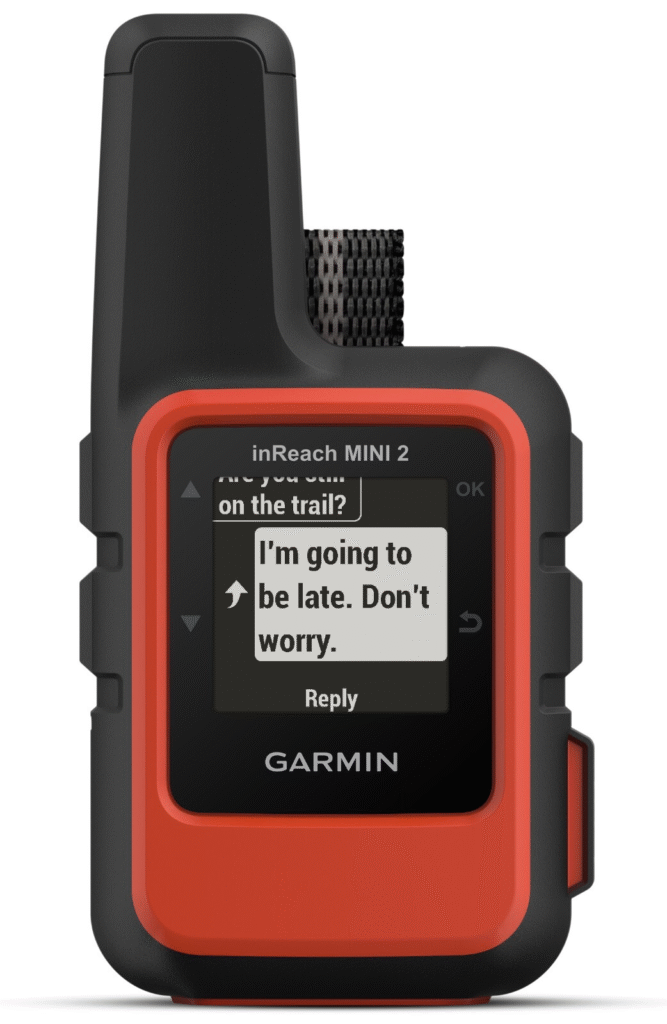
Cell service dies fast outside populated areas. That’s where satellite communicators become non-negotiable, especially for solo adventurers or anyone venturing into remote zones.
Garmin inReach Mini 2 specifications:
- Two-way satellite messaging via global Iridium network
- Dedicated SOS trigger with 24/7 search and rescue coordination
- IPX7 waterproof rating
- Weighs just 100 grams
- 14-day battery life in 10-minute tracking mode
- Share location with friends and family
Search and rescue teams have reported fewer drawn-out missions thanks to precise GPS coordinates from these devices. When you hit that SOS button, rescuers know exactly where to find you within minutes, not hours.
Smart Navigation
GPS watches have replaced traditional navigation for many hikers. Modern units like the Suunto Vertical GPS Adventure Watch pack offline topographic maps, altimeters, barometers, and track-back features that guide you home if weather rolls in.
Solar charging means you’re not constantly babysitting battery levels. Multi-sport tracking adapts whether you’re hiking, climbing, or paddling.
Sleep Systems & Shelter Tech
Terrible sleep kills your whole trip. After a day on trail, recovery matters.
Camping Mattresses Have Leveled Up
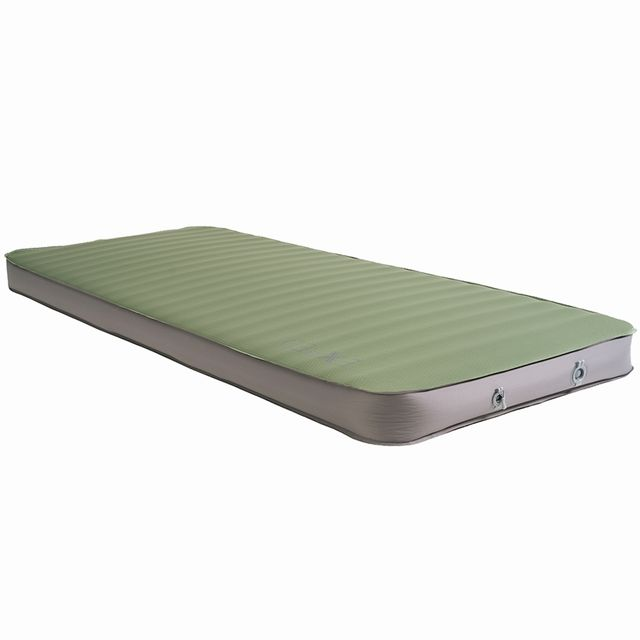
Thin foam pads are for masochists. Today’s insulated air mattresses rival home beds while still packing down for transport.
R-value is your warmth metric – higher numbers mean better insulation. For three-season camping, shoot for R-value 3-5. Winter warriors need 5+.
Exped MegaMat 10 LXW specifications:
- R-value 8.1 (handles four-season conditions)
- 10cm thick (yes, really)
- Dimensions: 197cm x 77cm
- Self-inflating with included mini pump
- Weight: 2.6kg
This beast is car-camping luxury. Too bulky for backpacking, but perfect when your vehicle is basecamp. It’s wide enough you won’t roll off and thick enough to sleep on your side without feeling the ground.
Innovative Shelter Solutions
Quick-setup tents with pre-attached poles save setup time and frustration in bad weather. Vehicle-based campers are increasingly choosing rooftop tents – they deploy in under two minutes and keep you off wet ground away from curious wildlife.
Portable Energy Solutions
Gadgets need juice. Cameras, drones, phones, GPS units, headlamps – they all demand charging eventually.
Portable Power Stations: The Off-Grid Hub
Generators are loud, smelly, and require fuel storage. Portable power stations run silent and work anywhere.
When shopping, focus on two numbers:
- Capacity (Wh) = how much total energy it stores
- Output (W) = how much it can deliver at once
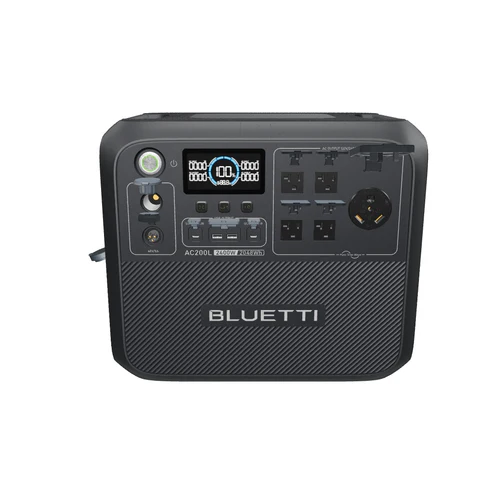
BLUETTI AC200L Portable Power Station specifications:
- 2048Wh capacity
- 2400W continuous output (4800W surge)
- LiFePO4 battery rated for 3000+ cycles
- 9 output ports (AC, USB-C, USB-A, DC)
- Supports solar panel charging
- App control for monitoring
This thing runs a mini-fridge for a weekend, charges laptops multiple times, powers camp lighting, and still has juice left. It’s basecamp’s electrical heart.
Harnessing the Sun: Solar Panels & Solar-Ready Gear
Foldable solar panels like the Goal Zero Nomad 10 pair perfectly with power stations and banks. Position them during the day, enjoy free electrons.
Integrated solar gear – watches, headlamps, lanterns – means one less thing to manually charge. Sustainability bonus: you’re running on renewable energy.
Water, Food, and Tools
Fancy outdoor gadgets mean nothing if you can’t handle basic survival needs.
Guaranteed Hydration: Advanced Water Filtration
Filters vs. Purifiers: Know the difference.
| Feature | Filters (LifeStraw Peak) | Purifiers (Grayl UltraPress) |
| Bacteria removal | ✓ | ✓ |
| Protozoa removal | ✓ | ✓ |
| Virus removal | ✗ | ✓ |
| Chemical reduction | Limited | Yes (activated carbon) |
| Best for | North American backcountry | International travel, questionable sources |
| Speed | Slower (gravity/squeeze) | Fast (press system) |
Viruses are tiny. Most North American water sources don’t require virus protection, but international travelers or those near agricultural runoff should go with purifiers.
Efficient Camp Kitchens
Multi-fuel stoves adapt to whatever fuel you can find. Canister stoves are convenient but don’t work well in cold.
The BioLite CampStove 2+ is wild – it burns wood and converts heat into electricity via thermoelectric generator, charging your phone while you cook. Efficiency and utility combined.
The Indispensable Multi-Tool
A quality multi-tool like the Leatherman Signal handles tent repairs, food prep, gear adjustments, and emergency situations. It includes:
- Pliers and wire cutters
- Knife blade
- Saw
- Fire starter
- Emergency whistle
- Hammer
- Hex bit driver
One tool, dozens of uses. Beats carrying individual items.
Smart Packing & Organization Tech
Disorganized gear wastes time and causes frustration.
Pods, Sacks, and Waterproofing
Waterproof stuff sacks keep electronics and clothes dry when crossing streams or dealing with rain. Packing pods (like Hyperlite Mountain Gear options) divide your pack into organized sections – no more dumping everything to find your headlamp.
Compressible dry bags shrink down bulky items like sleeping bags and puffy jackets, maximizing pack space.
The Smart Backpack
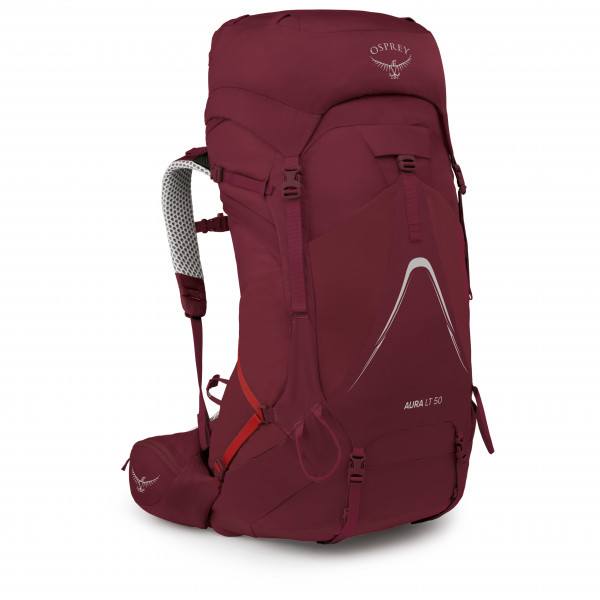
Modern backpacks integrate:
- Solar panels for trickle charging
- Dedicated padded compartments for laptops and cameras
- Hydration system compatibility
- Ergonomic hip belts that transfer weight properly
The Osprey Aura LT balances carrying comfort with organization. Heavy loads demand proper weight distribution – cheap packs destroy your back.
Final Thoughts
Start with safety, period. That means a satellite communicator and first aid kit. Next, get your comfort sorted: a decent sleeping pad and lighting. Everything else? That’s just convenience. Add efficiency later – solar panels, organizational gear. You don’t need everything at once.
So, what’s must-have camping gear? It all comes back to your trip style. A weekend car camper and an ultralight backpacker are worlds apart – their kits should be, too. Sink cash where it matters most for your own miles.
Sure, tech’s a game-changer. GPS, lighter materials – they lower barriers. But the core? Unchanged. You’re still swallowing pine-scented air, watching constellations spin, feeling the burn in your lungs. The difference is practical: drier, safer, maybe a heads-up on incoming rain. The soul of the thing remains.
FAQ
What’s the single most important piece of tech for a beginner camper?
Start with a reliable headlamp featuring red-light mode (preserves night vision and doesn’t blind tent-mates). Pair it with a 20,000mAh power bank. These two items cover most beginner needs before you invest in pricier satellite communicators.
How do I choose between a power bank and a full power station?
Power banks, think 10,000 to 20,000mAh, are for individual needs. They’ll charge phones and headlamps over a weekend. They’re light. They fit in a pocket.
Power stations are different. With 300Wh or more, they suit collective use. They power bigger gear – CPAP machines, portable fridges, camera batteries. Planning a week-long trip or car camping with friends? A station works. If you’re backpacking solo, just take a bank.
Are these high-tech gadgets reliable in harsh weather?
Check IP ratings before buying. IP67 means dustproof and waterproof up to 1 meter for 30 minutes. Reputable outdoor brands test gear in extreme conditions. Operating temperature ranges matter too – some electronics fail in freezing temps. Read specs carefully and choose gear rated for your environment.
How can I make my tech setup more eco-friendly?
Prioritize solar charging wherever possible. Choose brands using recycled materials in construction (Patagonia and others are leading here). Buy durable gear that won’t need replacement in two years – quality over quantity saves resources long-term. LiFePO4 batteries in power stations last significantly longer than standard lithium-ion, reducing waste.