
Are smart glasses really about to replace your smartphone? With everyone from Meta to Apple jumping in, 2026 might be the year these futuristic eyewear pieces finally make sense. Let’s cut through the hype and see if they’re worth your money.
Remember when Google Glass tried to make face computers cool back in 2013? That didn’t go great; no model has become a new standard for the industry. But here we are in 2026, and suddenly everyone’s talking about smart glasses again. Tech giants are betting billions, your favorite influencers are rocking them, and that weird guy at Starbucks is probably live-streaming his latte order through his eyewear.
TL;DR
Are smart glasses worth it right now? Here’s what you need to know:
- Not quite ready to ditch your phone, but getting closer
- Best for specific use cases – navigation, hands-free work, fitness tracking
- Enterprise and industrial applications are already crushing it
- Consumer models still fighting battery life and “killer app” problems
- Price tags remain brutal ($300-$3,500+)
- The future of smart glasses looks promising, especially with AI integration
- 2026-2027 could be the tipping point if Apple enters the market
Defining Modern Smart Glasses
Let’s get real about what we’re actually talking about here.
From Google Glass to Spatial Computing
Google Glass became a meme for all the wrong reasons. People called wearers “Glassholes,” privacy concerns exploded, and the $1,500 price tag made people laugh. But that failure taught the industry valuable lessons.
Today’s smart glasses learned from those mistakes:
- Less “in-your-face” camera indicators
- Better styling that doesn’t scream “I’m a cyborg”
- Clearer use cases beyond “record everything”
- Partnerships with actual fashion brands
The Core Technologies: AR, Waveguides, and Micro-LEDs
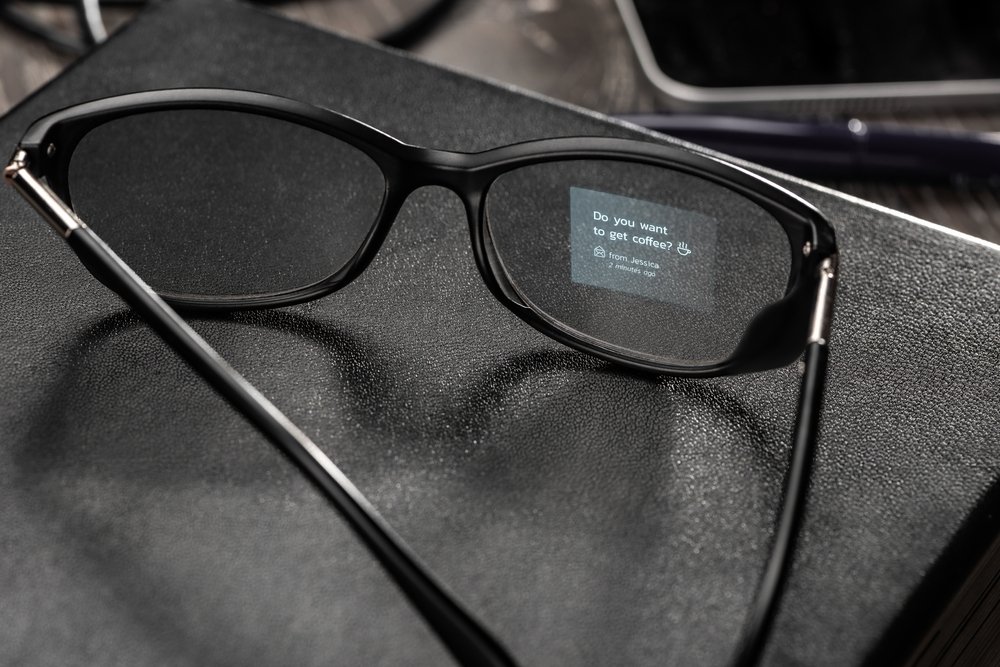
AR glasses (or augmented reality glasses) overlay digital info onto your real-world view. Think Pokémon GO, but without holding your phone like a tourist.
Key tech making this possible:
- Waveguides – tiny prisms that bounce light into your eyeballs
- Micro-LED displays – smaller than a grain of rice, bright enough for daylight
- Bone conduction audio – sound through your skull (weird but effective)
- Edge computing – processing happens on-device, not in the cloud
Smart Glasses vs. VR Headsets vs. Your Smartphone: What’s the Difference?
| Feature | Smart Glasses | VR Headsets | Smartphones |
| Form Factor | Lightweight, all-day wear | Bulky, session-based | Pocket-sized |
| Use Context | Augments reality | Replaces reality | Separate device |
| Social Acceptance | Improving | None (you look ridiculous) | Universal |
| Battery Life | 2-8 hours | 2-3 hours | All day |
| Price Range | $300-$3,500 | $300-$3,000 | $200-$1,500 |
Key Players and Products
Who’s actually making stuff you can buy right now?
Meta Ray-Ban Stories, Amazon Echo Frames, and Beyond
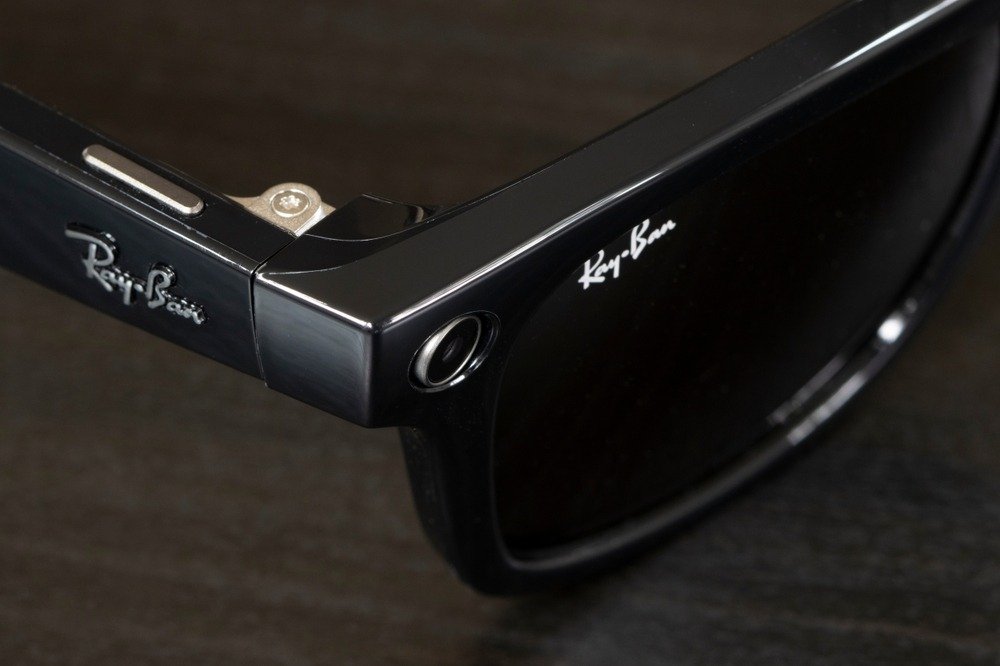
Meta’s Ray-Ban partnership nailed the style factor. They look like normal sunglasses, take decent photos, and let you take calls without looking like a Bluetooth headset refugee. At around $300, they’re the most accessible option that doesn’t embarrass you at brunch.
Amazon Echo Frames took a different route – pure audio focus with Alexa integration. No display, no camera, just smart assistant functionality. They’re basically Bluetooth earbuds disguised as glasses.
Snap Spectacles are still chasing the social media angle, while Vuzix Shield targets prosumers who need lightweight AR for work.
Microsoft HoloLens 2, Magic Leap 2, Vuzix
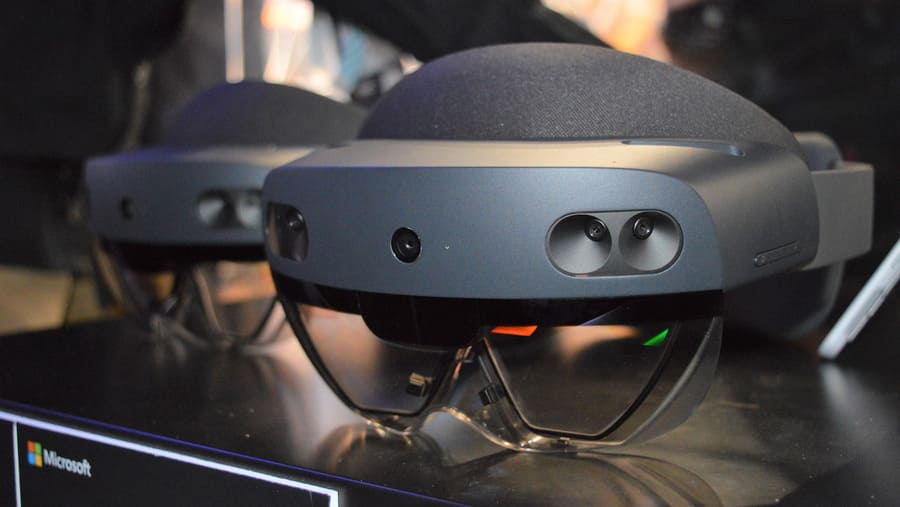
This is where smart glasses 2026 actually shine. HoloLens 2 costs $3,500 but transforms how surgeons, engineers, and mechanics work. Magic Leap 2 found its groove in enterprise after consumer plans flopped.
These are serious productivity tools saving companies millions through:
- Remote expert assistance
- Hands-free digital manuals
- Spatial 3D modeling
- Real-time data overlay during complex tasks
Rumors and Potential of Apple’s Glasses
Everyone’s waiting for Apple to drop their version. Leaks suggest lightweight AR glasses separate from their Vision Pro headset. If Apple’s pattern holds, they’ll wait until technology matures, then release something that makes everyone else’s attempts look like prototypes.
Timeline is unknown. Maybe late 2026 or 2027. Price will probably be painful for most users.
Real-World Use Cases That Work
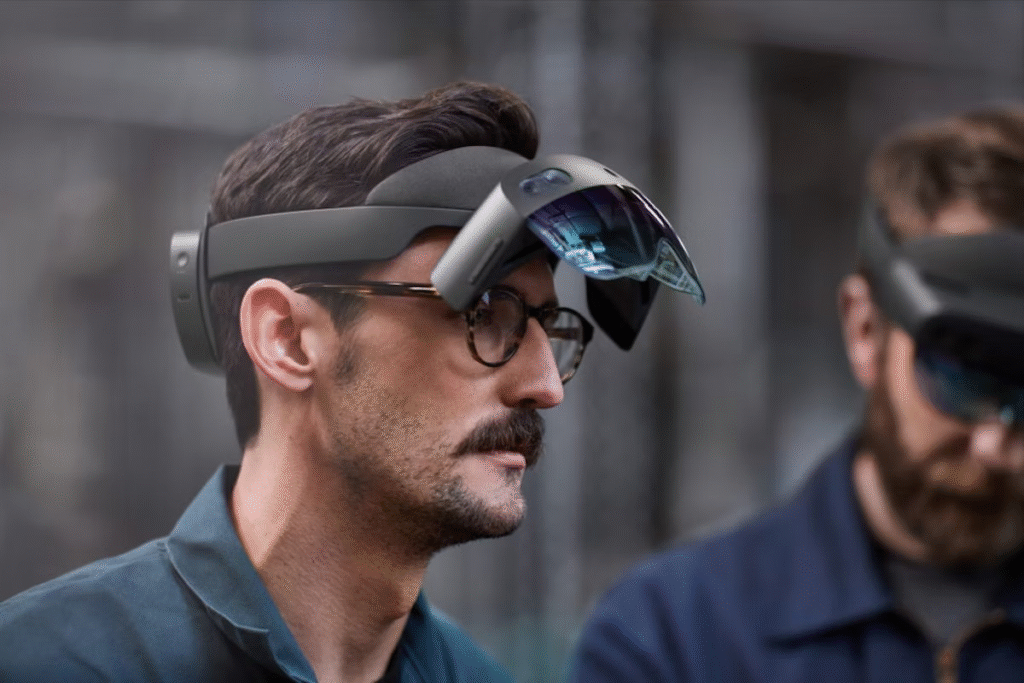
Revolutionizing Industry
Warehouse workers at Amazon, DHL, and Boeing are using smart glasses to:
- See digital pick lists without handheld scanners
- Access repair documentation while both hands work
- Reduce errors by 25-40% in some applications
- Speed up training for new employees
This isn’t future tech – it’s happening now.
The Future of Work
Imagine fixing a complex machine while an expert halfway across the world sees exactly what you see and draws arrows in your field of vision. That’s remote assistance with AR, and it’s saving companies fortune in travel costs and downtime.
Enhancing Daily Life
Consumer applications getting traction:
- Turn-by-turn directions floating in your vision (game-changer for walking navigation)
- Fitness stats during runs without checking your watch
- Discreet notifications so you’re not constantly pulling out your phone
- Live translation of signs and menus when traveling
Accessibility: Aiding Vision and Hearing
For people with visual or hearing impairments, smart glasses are genuinely life-changing. Text-to-speech for signs, facial recognition for identifying people, amplified and directional audio.
The Hurdles on the Road to Mass Adoption
The Form Factor Dilemma
You can have two of these three: lightweight, long battery, powerful features. Pick wisely.
Current best smart glasses still compromise somewhere. Battery life remains the biggest pain point – most last 2-5 hours with active use.
The “Killer App” Problem
Smartphones had apps, email, and later social media. What’s the one thing that makes smart glasses essential? Nobody’s figured it out yet. Navigation is close, but not quite there.
Navigating Social Acceptance
People still freak out about cameras on faces. Even when recording indicators exist, trust is low. This social barrier might be harder to crack than any technical challenge.
The Price Barrier
$300-$500 is the sweet spot for mainstream adoption. Most capable AR glasses cost 3-10x that amount. Prices need to drop significantly before your average person considers them.
The Future of Smart Glasses
When Will They Truly Challenge the Smartphone?
Realistic timeline? 5-7 years before smart glasses seriously compete with phones for daily tasks. They’ll coexist first, with glasses handling quick glances and phones for deep tasks.
The Role of AI Assistants
ChatGPT in your glasses that sees what you see, hears what you hear, and helps contextually? That’s the real future of smart glasses. AI integration makes these devices exponentially more useful.
Invisible Computing and the Metaverse Interface
Eventually, glasses could replace screens entirely. Work on virtual monitors, play games in mixed reality, attend meetings as holograms. But we’re talking 10+ years for mainstream reality.
Final Words
Smart glasses aren’t replacing your phone tomorrow. Yet, they can be usable! If you have specific use cases that include such things as hands-free work and navigation, there are solid options now. Everyone else better wait another year or two. The tech’s improving fast, prices are dropping slowly, and that Apple announcement could change everything.
FAQ
Are smart glasses just for recording video?
While some models include cameras, many focus on audio, notifications, and navigation. Recording is not the main point, but one of the many features.
What is the best smart glasses for everyday use in 2026?
Meta Ray-Ban Stories lead for casual users wanting style plus basic smart features. For serious AR experiences, you’re looking at Vuzix or waiting for Apple. Amazon Echo Frames win for pure audio-focused functionality without a display.
Can smart glasses damage your eyesight?
Current evidence suggests no more than regular screen use. Most AR displays project at optical infinity, reducing eye strain compared to phones held close.
How do smart glasses handle data privacy and security?
Meta and Amazon collect usage data like their other products. Enterprise solutions often include encryption and on-device processing. Always read privacy policies, control permissions, and use physical camera covers if privacy concerns you.